Auto insurance underwriting identity verification confirms an applicant is who they claim to be, that their driver's license and income documents haven't been altered, and that no synthetic profile is riding a real policy to a payout. Auto carriers move faster than most lenders — quote to bind can happen in under ten minutes online — so the identity check has to run without adding friction, and it has to catch both the fake-ID applicant and the doctored bank statement behind a premium finance request.
- No single tool covers auto insurance underwriting identity verification end to end in 2026 — pair a document/biometric vendor with a financial fraud layer.
- ClearStaq processes bank and income documents in under 5 seconds at 99.5% accuracy, built for premium finance and income checks, not driver's license scans.
- Onfido, Jumio, Persona and Socure handle ID and biometric verification; none of them read bank statements for fraud.
- Synthetic identities and edited PDFs both slip past checks that only verify one data type at binding.
Why identity verification matters for auto insurance underwriting
Auto insurers underwrite at volume and at speed — a call center or online quote flow processes far more applications per underwriter than a commercial lender ever will. That volume is exactly what identity fraud rings target: a stolen SSN and a fake ID get a policy bound in minutes, and the fraud isn't discovered until a claim gets filed on a car nobody actually owns.
Premium finance adds a second layer most identity checks skip entirely. When a carrier or its financing partner extends payment terms on a policy, that's an income and bank-account decision, not just an ID check — and it needs the same document scrutiny a lender applies to a loan file. ClearStaq built its fraud detection specifically for that document layer: bank statements, tax returns, and the deposit patterns that reveal whether stated income is real.
The verdict: auto insurance underwriting identity verification in 2026 requires two separate tools working together — one for the driver's license and the face, one for the money.
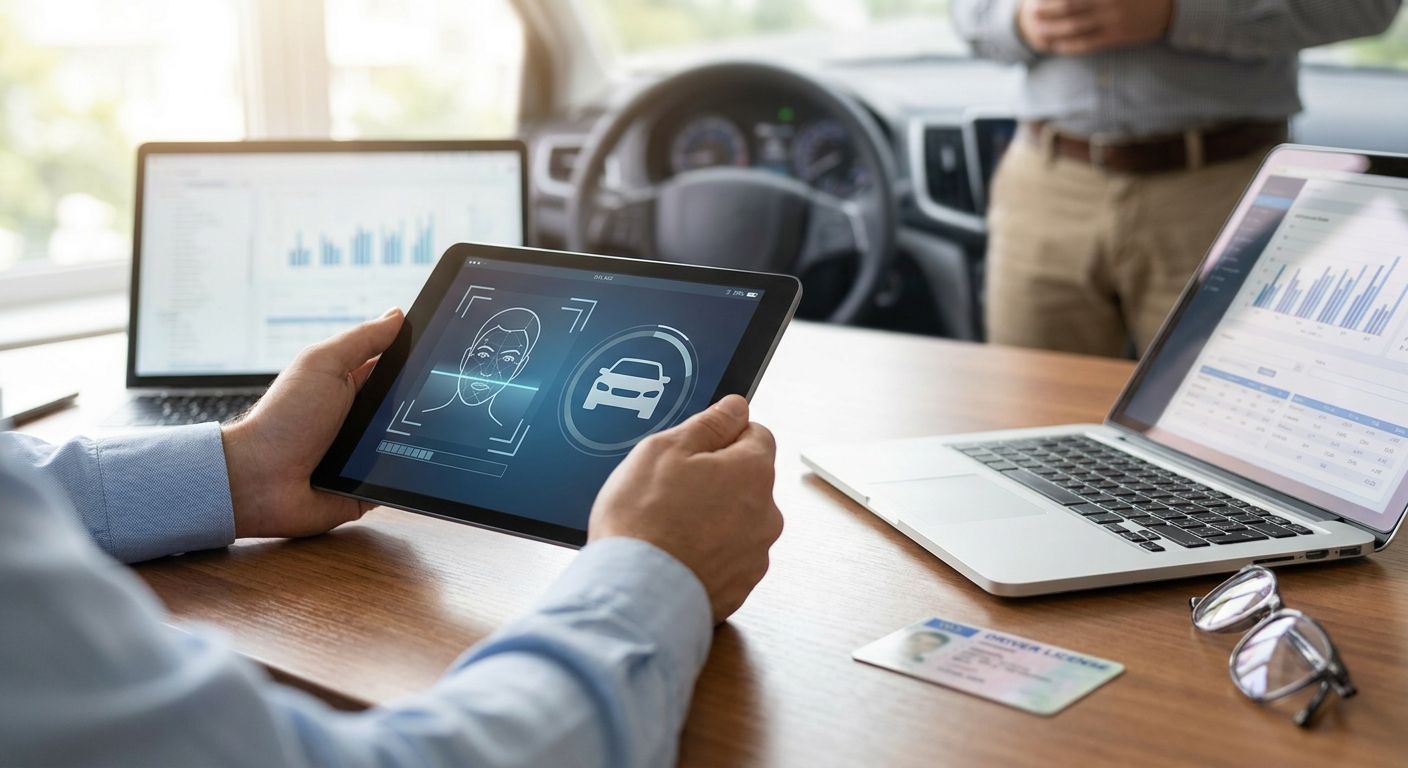
Verify the applicant's government-issued ID
Start here even without software. A trained underwriter or a low-cost OCR tool catches most of this manually.
- Check the ID format against the issuing state's current template
- Confirm the ID photo matches a live selfie capture, not a photo of a photo
- Look for mismatched fonts, resized photo boxes, or holograms that don't shift under angle
- Flag any ID issued in the last 30 days paired with a request for immediate full coverage
- Cross-check the address on the ID against the garaging address on the quote
Screen for synthetic identity patterns before binding
Synthetic identities blend a real SSN with a fabricated name and history. They pass a basic ID check because the document itself isn't forged — the identity behind it is.
- Compare the SSN issuance date range to the applicant's stated age
- Check whether the SSN has any credit file history at all
- Flag thin-file or no-file applicants requesting full coverage on a high-value vehicle
- Watch for multiple recent applications using name or address variations tied to one SSN
- Review synthetic identity fraud detection tools built for exactly this pattern in lending, which auto underwriting shares almost line for line
Verify income and bank documents for premium finance applicants
This is where document-level fraud detection earns its place in the stack, and where most carriers still rely on a human eyeballing a PDF.
- Pull two to three months of bank statements from premium finance applicants
- Confirm stated income matches actual deposit patterns, not just a pay stub number
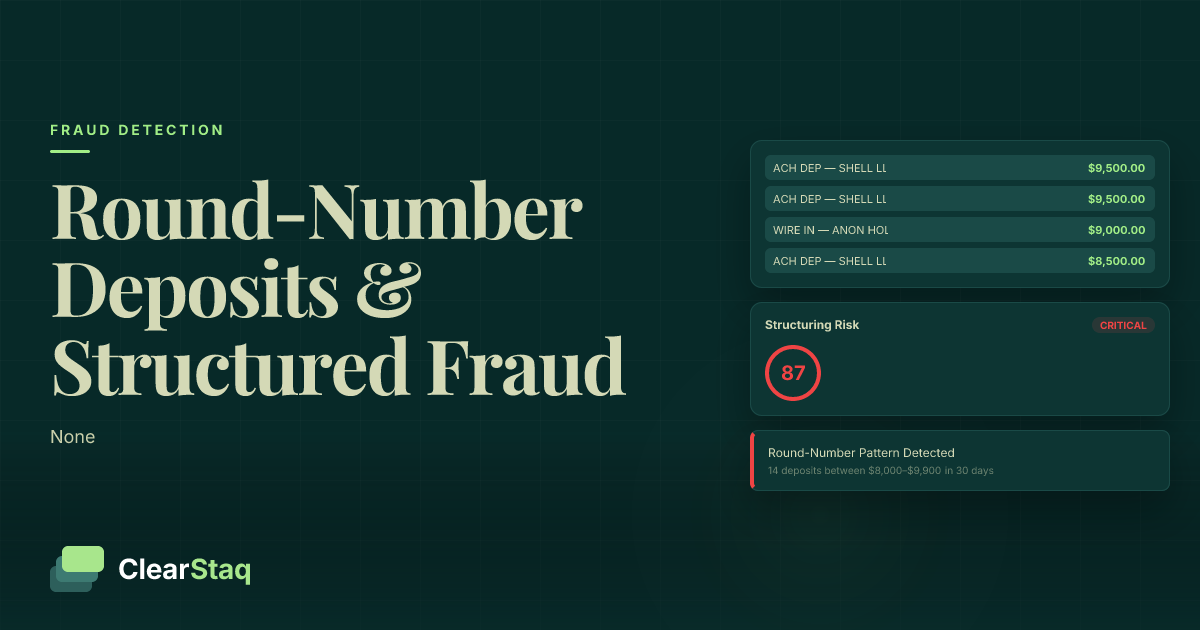
- Flag statements with inconsistent fonts, misaligned columns, or edited PDF metadata
- Run statements through a parser that checks 900+ formats and flags fraud across 27+ signals in under 5 seconds — this is the layer ClearStaq handles
- Route anything flagged to a human underwriter instead of auto-approving on volume
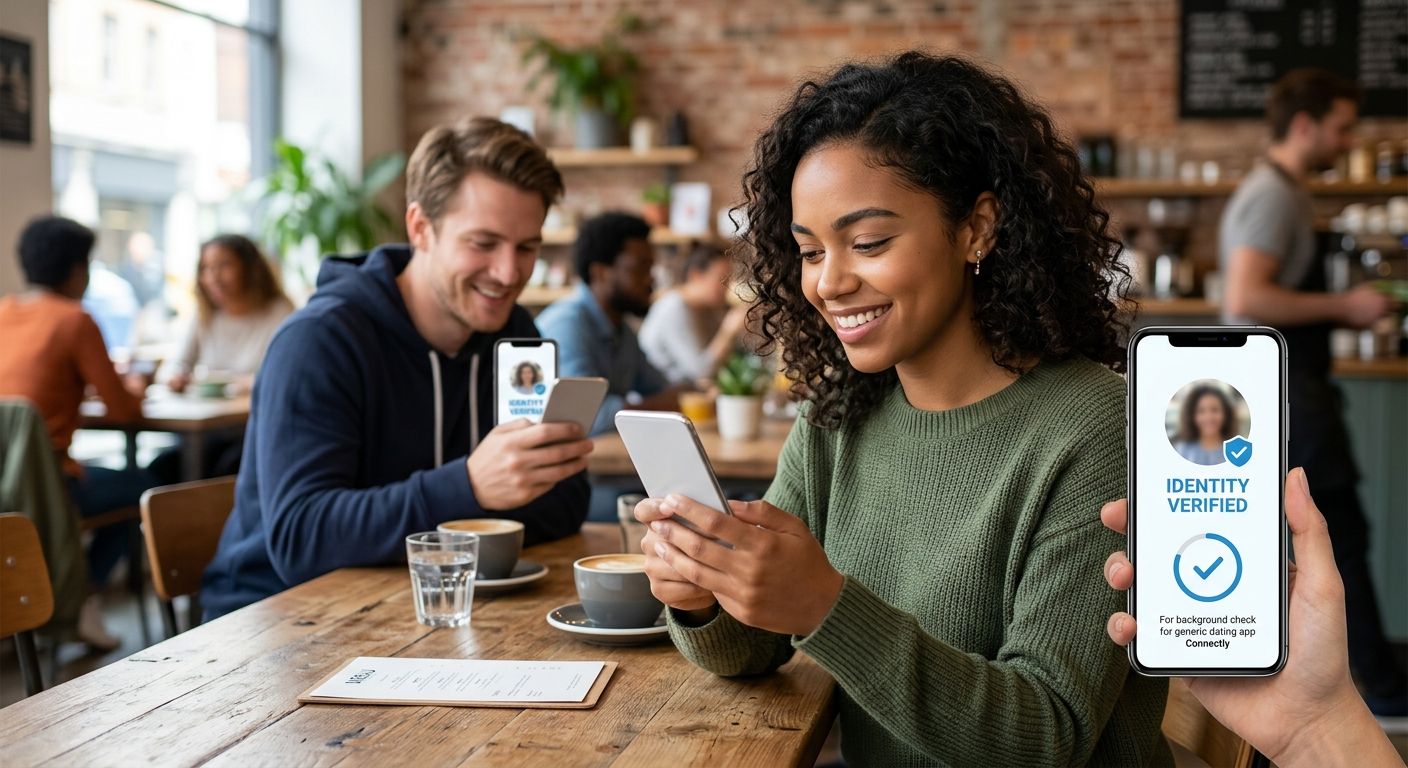
Add liveness detection to digital-only quote-to-bind flows
A static photo upload is not identity verification — it's a JPEG. Liveness checks confirm a live human is present at the moment of binding.
- Require a live selfie video capture, not a static image upload
- Check for screen-replay artifacts or deepfake indicators during capture
- Match the liveness capture against the ID photo in real time
- Reject or route to manual review anything below the carrier's confidence threshold
- Look at liveness detection built for digital onboarding — the underlying tech transfers directly from lending to insurance binding
Screen every named driver against sanctions and watchlists
Carriers often screen the policyholder and stop there. Every named driver on the policy is a screening gap if skipped.
- Screen every named driver, not just the primary applicant
- Re-screen the active book monthly instead of only at binding
- Log every match and clearance decision for the compliance file
Monitor for fraud signals after the policy binds
Identity verification doesn't end at bind. Fraud that slips through shows up in claims behavior within the first billing cycle.
- Watch for claims filed inside the first 30-60 days of coverage
- Flag garaging address changes within the first billing cycle
- Compare claims documents — repair invoices, medical bills — against known fraud patterns
Check income documents before you bind
See how fast ClearStaq flags edited bank statements and doctored income files.
Identity verification options for auto insurance underwriters
No vendor in this list does everything. Pick based on which fraud vector costs the carrier the most.
| Option | Best for | Key limitation |
|---|---|---|
| ClearStaq | Verifying income and bank documents on premium finance or high-value policy applications | Doesn't scan government IDs or run biometric liveness checks |
| Onfido | Document plus biometric identity checks at quote time | No income or bank statement fraud detection |
| Jumio | High-volume digital insurers needing built-in liveness detection | Better suited to high-volume digital carriers than low-volume regional books |
| Persona | Insurers wanting a no-code identity workflow builder | Fraud signal depth on financial documents is thin |
| Socure | Synthetic identity risk scoring at the point of binding | Works on identity data inputs, not bank or tax documents |
Buy ClearStaq if premium finance or income-based underwriting decisions are part of the flow. Buy Onfido or Jumio for the ID and biometric layer. Skip any single vendor that claims to cover both — none currently do.
“A policy bound on a fake ID and a real bank account is still fraud — check both, not one.”
Common mistakes auto insurance underwriters make
- Treating identity verification as a one-time check at quote instead of re-screening at renewal, when fraud patterns often surface
- Skipping income verification on premium finance because the policy looks too small to bother, which is exactly the segment fraud rings target
- Relying on OCR-only document checks that read text but never test for edited PDF metadata or resized image boxes
- Screening only the policyholder, leaving every named driver unchecked against sanctions lists
- Auto-approving liveness captures below the confidence threshold to cut quote friction, which defeats the point of running liveness at all
FAQ
What is identity verification software for auto insurance underwriting?
It's software that confirms an applicant's identity and documents are genuine before a carrier binds a policy, covering ID checks, liveness detection, and — for premium finance — income and bank document verification. Most carriers in 2026 combine two or more tools to cover both the identity layer and the financial document layer.
Is identity verification required before binding an auto insurance policy?
Requirements vary by state and by carrier underwriting guidelines, but most digital-first insurers run at least a basic ID check before binding. Premium finance arrangements typically add income verification on top of the identity check.
What's the difference between identity verification and income verification in insurance underwriting?
Identity verification confirms the applicant is who they claim to be using ID documents and biometrics. Income verification confirms the applicant can pay, using bank statements and tax documents — a separate document type that identity-only tools don't read.
Can identity verification software stop synthetic identity fraud in auto insurance?
Dedicated synthetic identity tools catch most of it by checking SSN issuance dates against credit file history and flagging thin-file applicants requesting full coverage. Basic ID scanners miss synthetic identities because the physical document isn't forged.
Does ClearStaq verify driver's licenses for auto insurance underwriting?
No. ClearStaq parses bank statements and tax returns and detects fraud across 27+ signals in under 5 seconds — it's built for income and financial document verification, not government ID or biometric checks.
How does liveness detection help auto insurance underwriting?
Liveness detection confirms a live person, not a photo or a screen replay, is present during a digital application. It closes the gap that static selfie uploads leave open for identity theft at binding.
What happens if a premium finance applicant's bank statement looks doctored?
A document fraud check flags inconsistent formatting, edited PDF metadata, or deposit patterns that don't match stated income, then routes the file to a human underwriter instead of auto-approving. That review step is where most premium finance fraud gets caught before disbursement.
Should auto insurers re-screen policyholders after binding?
Yes. Fraud patterns often surface after binding, not before — early claims inside the first 30-60 days or a garaging address change in the first billing cycle are common signals worth monitoring post-bind, not just at quote.
One last thing
Most carriers only run identity verification once, at binding, and stop. The fraud that actually costs money shows up after — a claim filed inside the first month, a garaging address that changes the week the first payment clears. Treat identity and income verification as a checkpoint that repeats at renewal and after early claims, not a single gate at the front door.
Related guides
ClearStaq Team
Content Team
The ClearStaq team builds AI-powered tools for bank statement parsing, fraud detection, and income verification.