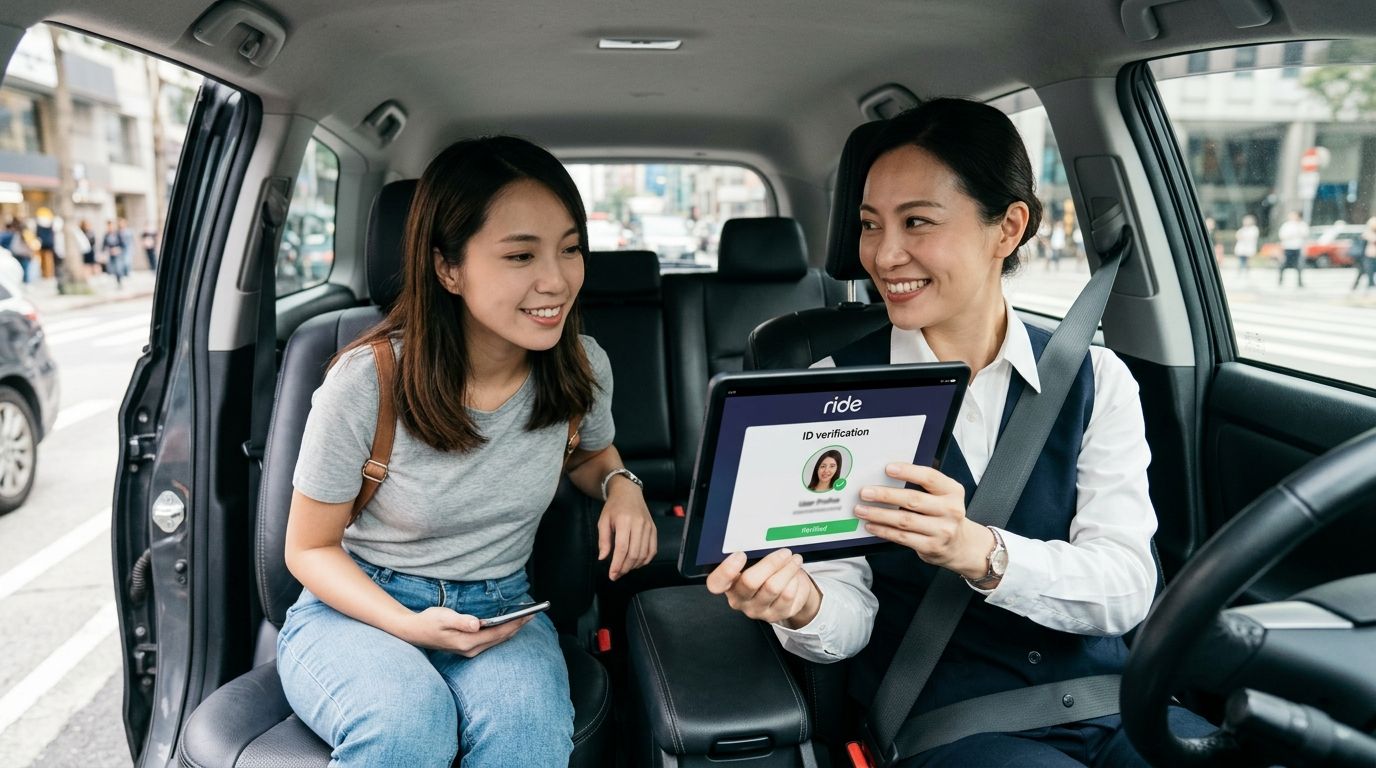
Ride-sharing platforms verify driver identity before a single ride gets accepted, and the software they pick decides whether that check takes 30 seconds or three days. Best overall: Onfido. Best for custom workflows: Persona. Best for multi-country driver bases: Jumio. Best for real-time video checks: Veriff. Best for Stripe-native payouts: Stripe Identity. Every platform on this list handles government ID capture and liveness matching differently, and the gap between them shows up fastest at driver onboarding volume.
- Onfike-style document and biometric checks make Onfido the strongest all-around pick for the best identity verification software for ride-sharing platforms in 2026.
- Persona wins when engineering teams want a fully custom driver verification flow instead of a locked template.
- Jumio fits platforms onboarding drivers across multiple countries with different ID formats.
- Veriff's live video review adds a human-in-the-loop check for high-risk sign-ups.
- Identity verification confirms who a driver is; income and fraud tools like ClearStaq confirm what they earn and whether their financial documents are real.
Why this matters
A ride-sharing platform that skips a real identity check inherits every downstream problem: stolen credentials, drivers who don't match their license photo, and accounts that get reused after a ban. Regulators in most U.S. cities require some form of driver background verification before a platform can activate an account, and the identity check is the first gate in that process.
The five tools below all solve the same core problem — confirm a person is who their ID says they are — but they solve it with different tradeoffs in speed, coverage, and engineering lift. Platforms that also extend driver financing, vehicle leasing, or early payout advances need a second layer that identity verification doesn't cover: confirming the financial documents behind that decision are real. That's where biometric identity verification for gig economy platforms and document-level fraud detection start to matter alongside the tools ranked here.
What makes the best identity verification software for ride-sharing platforms
- Document format coverage — how many government-issued ID types and countries the tool reads without manual review
- Liveness and selfie matching — blocking a photo-of-a-photo or a borrowed license
- Onboarding speed — driver sign-up abandons fast if the check takes more than a couple minutes
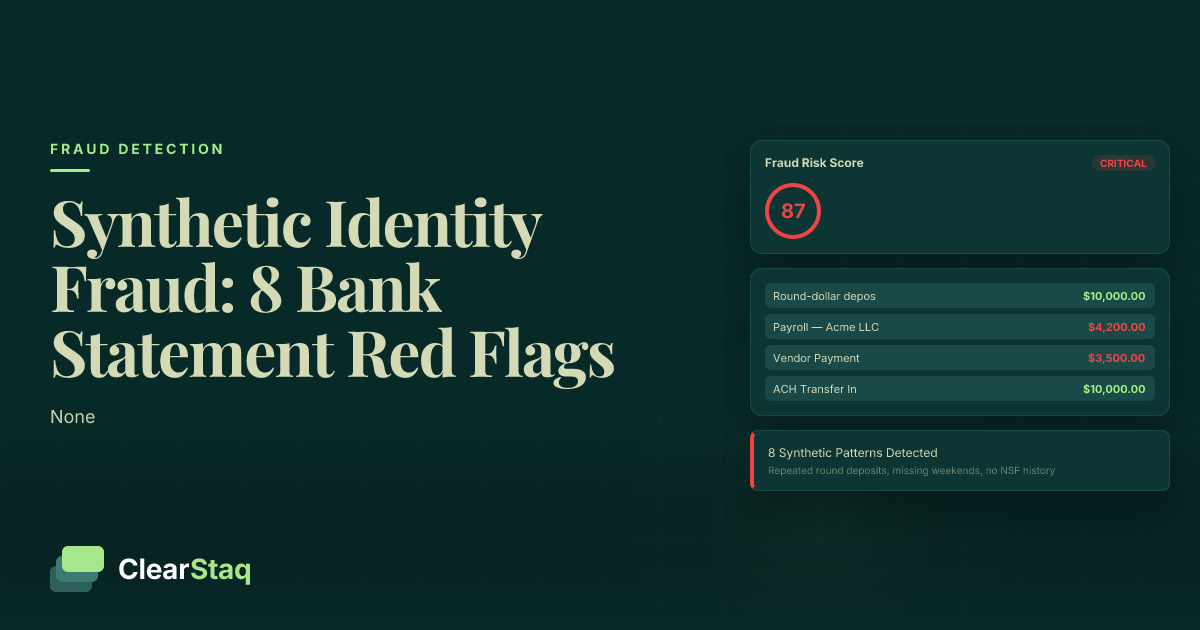
- Fraud signal depth — catching account reuse and synthetic identities, not just a single document scan
- Integration effort — how much engineering time it takes to wire the API into a driver app
- Compliance support — mapping to local licensing and background-check requirements
Identity verification software for ride-sharing platforms: at a glance
| Software | Best for | Standout feature | Key limitation |
|---|---|---|---|
| Onfido | High-volume driver onboarding | Combined document + biometric check in one flow | Less flexible for heavily customized review logic |
| Persona | Custom verification workflows | No-code workflow builder with case management | Requires more setup time before launch |
| Jumio | Multi-country driver bases | Broad government ID format coverage | Overkill for platforms operating in one market |
| Veriff | Real-time video review | Live video session as a manual fallback check | Video review adds friction for straightforward sign-ups |
| Stripe Identity | Stripe-native payout stacks | Tight integration with existing Stripe Connect accounts | Limited value if payouts don't already run through Stripe |
1. Onfido: best identity verification software for high-volume driver onboarding
Onfido runs document capture and a live selfie match in a single flow, which is why marketplaces with heavy daily sign-up volume default to it. It reads a wide range of government-issued IDs and flags mismatches between the photo on the license and the live selfie automatically.
Onfido pros:
- Combined document and biometric check reduces the number of screens a driver has to get through
- Built for high sign-up volume without manual review bottlenecks
- Established integration patterns for mobile-first driver apps
Onfido cons:
- Customizing the review logic beyond the standard flow takes engineering work
- Less suited to platforms that need a fully bespoke case-management workflow
Best for: platforms onboarding large numbers of drivers weekly and needing a proven, standard flow. Verdict: Buy.
2. Persona: best identity verification software for custom driver verification workflows
Persona is built around a workflow builder that lets a platform define its own verification steps instead of accepting a fixed sequence. Teams with in-house engineering use it to chain identity checks with other onboarding steps, like vehicle registration or license class validation.
Persona pros:
- Workflow builder lets you sequence checks in whatever order fits your onboarding
- Strong case management for reviewing flagged applications manually
- API-first design fits platforms that want tight control over the driver app experience
Persona cons:
- Getting the most out of it requires dedicated engineering time up front
- Enterprise plans need a sales conversation rather than self-serve setup
Best for: platforms with engineering resources that want a fully custom driver verification flow. Verdict: Buy if you have the dev capacity to build it out.
3. Jumio: best identity verification software for multi-country driver bases
Jumio's core strength is breadth: it reads a wide set of international ID formats, which matters once a ride-sharing platform expands past its home market. It pairs document capture with liveness detection and flags IDs that don't match known format templates.
Jumio pros:
- Broad coverage across international government ID formats
- Liveness detection built into the standard flow
- Established track record with large-scale marketplace onboarding
Jumio cons:
- More capability than a single-market platform typically needs
- Coverage depth for less common regional ID types varies
Best for: platforms onboarding drivers across several countries with different ID formats. Verdict: Hold if you only operate in one market — the extra coverage isn't worth the added complexity.
4. Veriff: best identity verification software for real-time video review
Veriff adds a live video session as part of its verification flow, which functions as a human-in-the-loop check for applications that fail an automated pass. That makes it useful for platforms that want a manual fallback without building their own review team from scratch.
Veriff pros:
- Live video review catches edge cases automated checks miss
- Works as an escalation path rather than replacing the automated flow entirely
- Session recording supports dispute resolution later
Veriff cons:
- Video review adds time and friction for drivers who would otherwise pass instantly
- Best used selectively, not as the default path for every sign-up
Best for: platforms that want a manual review layer for flagged or high-risk driver applications. Verdict: Buy as a secondary layer, Skip as a sole primary flow.
5. Stripe Identity: best identity verification software for Stripe-native payout stacks
Stripe Identity plugs into a platform's existing Stripe account, which cuts integration time for ride-sharing companies already running driver payouts through Stripe Connect. It handles document and selfie verification within that same infrastructure.
Stripe Identity pros:
- Fast to integrate if Stripe already powers driver payouts
- One vendor relationship instead of stitching together payments and identity separately
- Straightforward API for teams already inside the Stripe ecosystem
Stripe Identity cons:
- Limited upside if your payout stack runs on a different processor
- Fewer configuration options than dedicated identity-only vendors
Best for: platforms that already process driver payouts through Stripe and want one less vendor to manage. Verdict: Buy if Stripe already runs your payouts, Skip otherwise.
“If a driver's ID review takes longer than the ride request that brought them to the app, you'll lose the driver before onboarding finishes.”
How this ranking works
This list weighs onboarding speed and fraud signal depth ahead of brand size, because a driver who abandons sign-up costs the platform a supply-side driver it never gets back. Multi-country coverage and video-review fallback matter less for a single-market platform than they do for one expanding into new states or countries, which is why Jumio and Veriff land in the middle of the pack rather than at the top for every use case.
Where document and fraud verification fits alongside identity checks
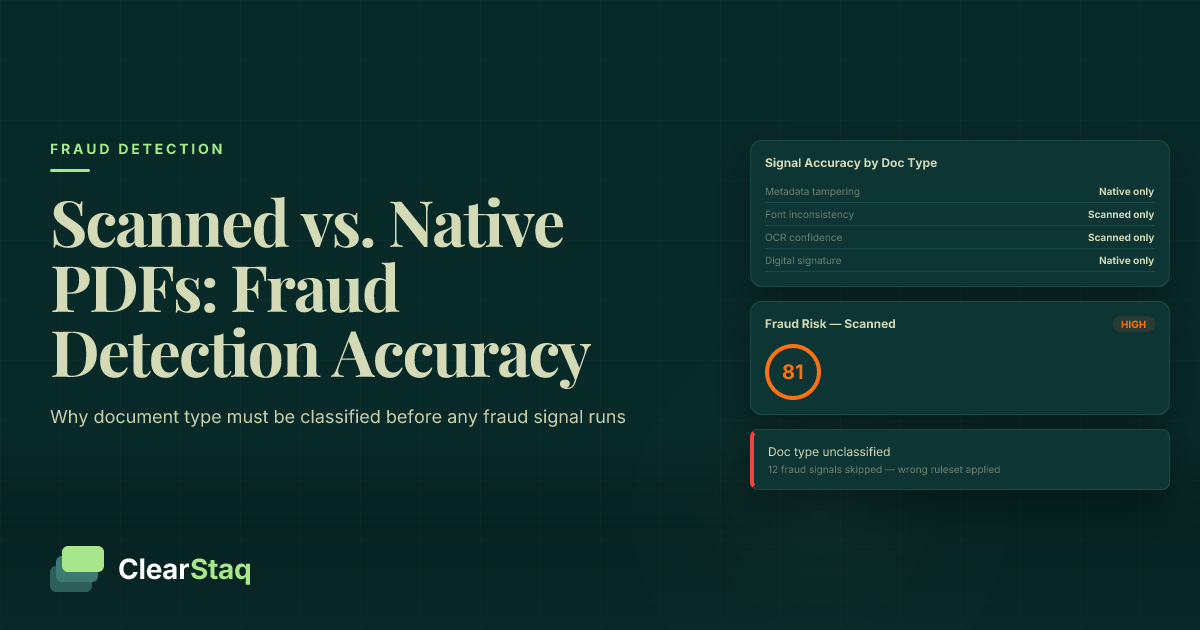
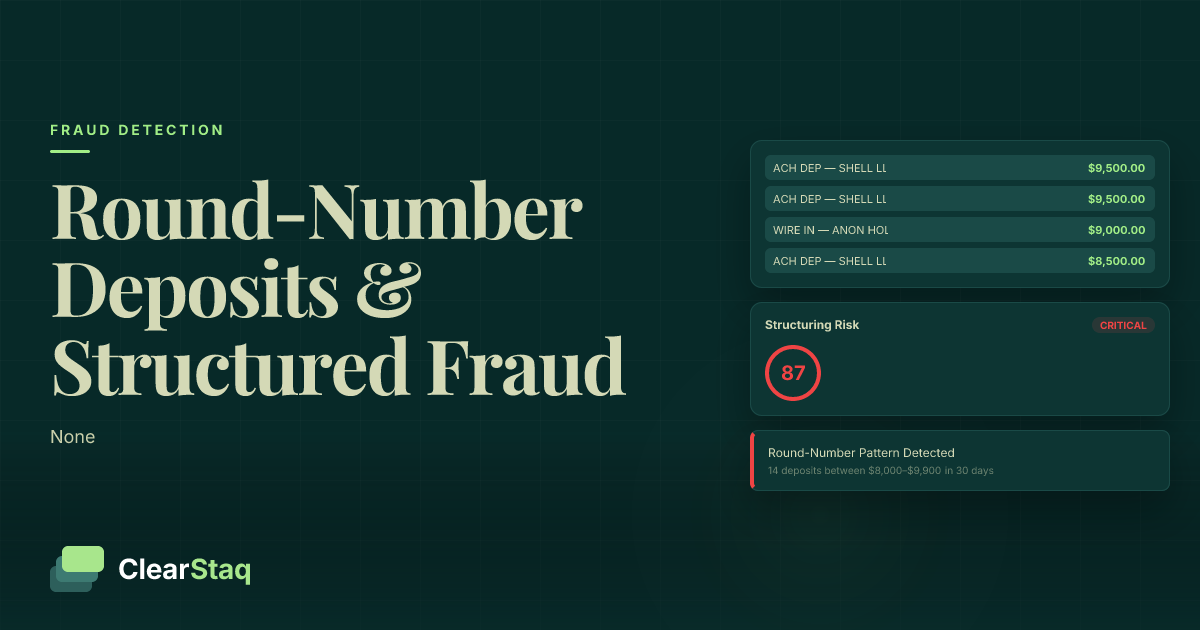
Identity verification confirms a driver's face matches their license. It doesn't confirm the bank statements or tax documents behind a vehicle lease application, a driver financing offer, or an early-payout program are real. ClearStaq parses bank statements and tax returns and runs 27+ fraud signals against them — a different layer from the ID check, built for platforms extending credit or advances to drivers rather than just confirming who they are.
A ride-sharing platform running its own driver financing arm, for example, needs to verify gig economy driver income for auto financing on top of the identity check, since gig income doesn't look like a W-2 paycheck. ClearStaq's income verification and fraud detection tools sit downstream of the identity software ranked above, not in competition with it.
See how ClearStaq verifies driver income
Parse bank statements and tax returns to confirm gig driver income and catch fraud.
Which identity verification software should you choose?
Pick Onfido if you need a proven, high-volume flow and don't want to build custom logic. Pick Persona if your engineering team wants full control over the verification sequence. Pick Jumio if drivers sign up from more than a handful of countries. Pick Veriff as a manual-review layer for flagged applications, not your primary flow. Pick Stripe Identity only if Stripe already runs your driver payouts in 2026.
For most ride-sharing platforms without a dedicated fraud or compliance team, Onfido remains the default starting point — it covers the highest share of driver onboarding volume with the least custom setup.
FAQ
What's the best identity verification software for ride-sharing platforms in 2026?
Onfido is the strongest all-around pick for most ride-sharing platforms because it combines document and biometric checks in one flow without heavy custom setup. Persona, Jumio, Veriff, and Stripe Identity each fit narrower use cases like custom workflows, multi-country coverage, video review, or Stripe-native payouts.
Is Onfido better than Jumio for driver verification?
Onfido fits high-volume single-market onboarding better, while Jumio's broader international ID coverage makes more sense for platforms operating across multiple countries. Neither is universally better — the right choice depends on how many countries you onboard drivers from.
Do ride-sharing platforms need identity verification software by law?
Most U.S. cities require some form of driver background verification before a ride-sharing account can go live, and identity verification software is the first step in confirming who is applying. Requirements vary by city and state, so check local regulations before finalizing an onboarding flow.
Can identity verification software catch fake driver's licenses?
Yes — tools like Onfido, Jumio, and Veriff check document security features and match a live selfie against the ID photo to catch counterfeit or stolen licenses. None of them, however, verify the financial documents a driver submits for financing or payout advances.
What's the difference between identity verification and income verification for drivers?
Identity verification confirms a driver is who their ID says they are; income verification confirms what they actually earn, which matters for financing or lease decisions. ClearStaq handles the income and document-fraud side by parsing bank statements and tax returns rather than checking government IDs.
How fast should driver identity verification run during onboarding?
Automated document and selfie checks typically complete within a couple minutes when using tools like Onfido or Stripe Identity. Adding a live video review step, as Veriff does, extends that window but adds a manual fallback for flagged applications.
Does Stripe Identity work if my platform doesn't use Stripe for payouts?
Stripe Identity still verifies documents and selfies on its own, but its main advantage — one integrated vendor relationship — disappears if your payout infrastructure runs elsewhere. In that case, Onfido or Persona are more natural fits.
What happens after a driver passes identity verification?
Passing identity verification confirms the driver's ID is real and matches their face; it doesn't clear them for financing, leasing, or payout advances. Platforms offering those programs typically layer income and fraud verification on top, checking bank statements and tax documents separately.
One last thing
The identity check and the financial check catch two different kinds of fraud, and platforms that only run one of them are exposed on the other side. A driver can pass a live selfie match with a completely legitimate license and still submit doctored bank statements for a vehicle financing application — the two problems don't overlap, and treating identity verification as a full fraud solution leaves that second door wide open.
Related guides
ClearStaq Team
Content Team
The ClearStaq team builds AI-powered tools for bank statement parsing, fraud detection, and income verification.